How to Spend the Best 2 Days in Kanazawa | The Perfect Itinerary
Planning to spend at least 2 days in Kanazawa? Please put me in your suitcase! 😂😍
Jokes aside, I could not be more excited for you. Kanazawa is a spectacular and historical hidden gem just 2-3 hours from Kyoto and Tokyo, and an absolute must-visit. I strongly recommend spending at least 2 days in Kanazawa, which is enough to see all the main attractions, although the sweet spot is spending 3-4 days.
Kanazawa is one of Japan’s most significant historical cities, and was once the capital of the Kaga Domain, the wealthiest domain in the country. This city is home to rich culture, traditions, and the finest craftsmanship, including Gold Leaf or kinpaku.
From Samurai districts, teahouses, and castles, to Japan’s most beautiful Garden – you’re in for the biggest treat.
Keep reading to discover how to spend the best 2 days in Kanazawa! This itinerary is perfect for first time visitors, smoothly guiding you through the city’s main attractions, including the Kenrokuen Garden, essential tips, and gluten-free restaurants.👇
Disclaimer: This post has affiliate links that can help me earn a small commission, at no extra cost to you. If you click through and buy with these links, thank you in advance for the extra support.💖😊
Here is the Ultimate 2 Day Kanazawa Itinerary
My Quick Kanazawa Recommendations!👇
🏠 Stay at Sofuan – traditional townhouse with perfect location
✅ Grab my FREE Japan Essentials eChecklist
🗺️ Protect yourself on your trip with Travel Medical Insurance.
📱 Always stay connected with a Japan eSim!📱
What are the main attractions in Kanazawa?
Two days in Kanazawa give you plenty of time to check these incredible sites off your bucket list:
- Kenrokuen Garden
- Kanazawa Castle Park
- Higashi Chaya District
- Rent a Kimono
- 21st Century Museum of Contemporary Art
- Omicho Market
Day 1 in Kanazawa | Kenrokuen, Food Markets, & Samurai
Omicho Market
Start your day off at the Omicho Market, a 300-year-old food market and Kanazawa’s most significant market since its establishment in 1721.
Omicho Market has over 180 stalls that range from fresh seafood to street food, traditional Japanese sweets, home goods, and more.
By going to this market, you will immerse yourself in the daily life of the locals, experience the market culture, and try delicious foods.
If you’re celiac, you’ll be quite limited, but I strongly recommend their fresh crab and strawberry daifuku mochi! 😍
Kanazawa Castle and Kanazawa Castle Park

Right around the corner, you will find the breathtaking Kanazawa Castle Park and Kanazawa Castle. This is where the Maeda Clan, a wealthy Samurai family of high-ranking officials, ruled the Kaga Domain.
The Maeda Clan is responsible for the construction of most of Kanazawa’s spectacular sights – including this castle and the neighboring Kenroku-en Garden.
The Kanazawa Castle Park is home to endless cherry blossom trees, as well as other attractions besides the castle. Some highlights include the Gyokusen Inmaru Garden, Imori Moat, and the castle itself.
Castle Park is free to enter and can be explored at night, when it’s beautifully lit up. Although you cannot enter the castle itself, the Turrets and Storehouse are open for an additional price of 310 yen – roughly $2.
Kenroku-en Garden

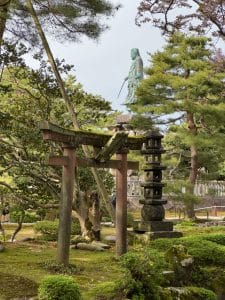
Now that you’ve visited the Maeda Clan’s residency, it’s time to visit their most beautiful creation and Japan’s most beautiful garden – the Kenrokuen.
As its name states, the Kenrokuen is a “garden of the six sublimities” – the six features that make a garden perfect. The six sublimities consist of artifice, water, views, seclusion, antiquity, and spaciousness.
The Kenrokuen Garden, built as an outer garden of the Kanazawa Castle, is connected via a bridge to the Kanazawa Castle.
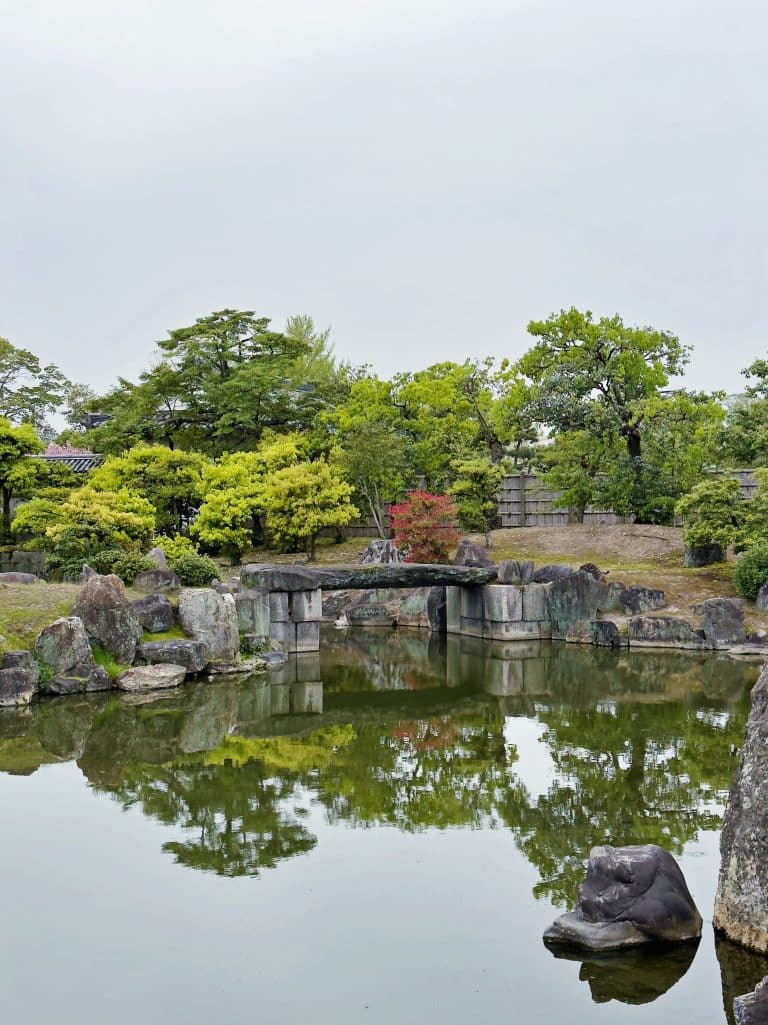
The Kenroku-en is the perfect place to take a peaceful stroll and immerse yourself in the insane beauty of traditional Japanese gardens and Japanese nature. Somehighlights of this park include the Kasumigaike Pond, Karasaki Pine, Kotoji stone lantern, tea ceremonies, and the Yugao-tei Tea House.
Read my Ultimate Guide to the Kenrokuen Garden to make the most of your visit!
Something great to note is that this garden is perfect year-round due to its seasonality. For example, in the wintertime, you’ll experience a winter wonderland. In the spring, you’ll experience the magical cherry blossoms.
The entry fee for the Kenrokuen Garden is only 320 yen, roughly $2.
If you want to have an authentic tea ceremony and dive deeper into the Japanese tea culture, this experience is perfect for you. During this tea ceremony, you’ll learn about the tea culture, try Japanese wagashi sweets, learn how to make the perfect matcha, and more.
Book your Kenrokuen Garden experience here! 👇😍
Lunch time in the Nagamachi Samurai District
Now that your eyes have feasted on plenty of sights, it’s time for your stomach to do the same with delicious foods!
During my time in Kanazawa, I went to Aashirwad and The God Burger. These two restaurants sit in front of each other in the Nagamachi Samurai District and are gluten-free friendly. Aashirwad is an Indian restaurant with Michelin recognition and is nothing short of phenomenal.
The God Burger is a Japanese burger restaurant, in which the chef creates such a perfect patty that he has a rule. The rule is, the first bite of his burger cannot have any sauces.

Read my Gluten Free Kanazawa Guide for all the Best GF Restaurants
If you’re a foodie, check out this highly-rated private food tour. Over three hours, you will dive deeper into Kanazawa’s history and culture through various dishes, taste 6 Kanazawa delicacies, try some Omicho market foods, and more.
Book your food tour spot before it sells out!
Nagamachi Samurai District
Now that you enjoyed a delicious lunch, venture out and explore the beautiful Nagamachi District.
You will see that this district features small houses and restaurants, traditional “earth walls”, and there’s a small “river” that flows throughout the district. You will also find wonderful artisan shops that I highly recommend checking out and supporting!
Some highlights of the Nagamachi Samurai District are the Nomura-ke Samurai Residence and the Takada Family House.
Nomura-ke Samurai Residence
As Nagamachi District’s main highlight, visiting the Nomura-ke samurai Residence is simply a must. Especially if you are fascinated by the Samurai history and architecture.
Nomura was a wealthy family that served the Maeda Clan during the Edo period, between the 16th and 19th centuries. Given their status, this Samurai residence is a large home full of spectacular features – including a garden with Koi fish, a teahouse, coffered ceilings, and so much more.
Part of this residence is now a museum, allowing you to see Nomura-ke heirlooms, including their Katanas, letters from the Maeda Clan, and more.
The entry fee for the Nomura-ke Samurai Residence is 550 yen, roughly $3.60.
Cubbyhole | The Best Matcha Latte
What better pick-me-up than a delicious matcha latte?😍
The Cubbyhole is an adorable and tiny coffee shop that, quite literally, changed my life. Okay, that might be an exaggeration, but that’s what it felt like when I drank their Iced Matcha Latte. I could book a flight just thinking about it.
The Matcha we drink abroad is usually bitter, grassy, and at its worst, tastes fishy. Therefore, if you haven’t had a good Matcha experience, PLEASE give authentic matcha in Japan a chance! I am a big matcha lover, and the Matcha in Japan is simply unmatched.
The Cubbyhole is also a great cozy spot to take a proper break before continuing your adventures.
Oyama Shrine Shinmon Gate
The Oyama Shrine Shinmon Gate is a beautiful piece of architecture that leads you to the Oyama Shrine and many other beautiful attractions.
Day 2 in Kanazawa | Geisha Districts, Craftsmanship, & Kimono
Cafe Tamon Breakfast | Japanese Soufflé Pancakes

Did you know that the once-called Kaga Domain was the wealthiest domain in Japan? Back then, wealth was based on how much rice and crops a domain had. This goes to say that Kanazawa and its domain cultivated the largest amount of rice in the country!
With that said, eating Japanese Soufflé Pancakes, made with rice flour, is even more of a must-do when in Kanazawa!
Cafe Tamon is a beautiful, smaller restaurant located within a historic building in the Higashi Chaya District.
This celiac-safe restaurant is all about using locally produced and locally consumed produce and sustainability. The rice flour comes from the rice cultivated in Kanazawa. More specifically, the flour is made with “imperfect” rice that would usually be thrown away, as it doesn’t meet the “grocery store aesthetic”.
Important Note for Celiacs: While the pancakes themselves are celiac-friendly, some of them might have gluten-containing toppings. Make sure to mention your allergy and check the ingredients. The staff is knowledgeable!
Hosenji Temple & Edge of Korai-Machi Ryokuchi Park

Just a few steps from Cafe Tamon, there’s a steep street that brings you to the Hosenji Temple and the Edge of Korai-Machi Ryokuchi Park.
The Hosenji Temple is a Buddhist Temple that dates back to the Edo period. From the park, you will get a beautiful viewpoint over Kanazawa and its many black tiled roofs.
Higashi Chaya District

Now it’s time to walk around one of the most beautiful districts of Kanazawa!
The Higashi Chaya District is the largest teahouse and Geisha district in Kanazawa. Dating back to the Edo period, this district keeps its original look with traditional architecture, original Chayas (teahouses) that are hundreds of years old, and so forth.
When you search for Kanazawa on Google, this district is usually the first picture you see.
Within this district, you will find everything from Chayas to restaurants, artisan shops, museums, and more. You can also attend Geiko, “Geisha”, shows and take some workshops.
Two highlights in the Higashi Chaya District are Ochaya Shima and Kaikaro. Ochaya Shima, now turned museum, was once a former geiko teahouse. Here you can learn all about the district’s geiko culture. The entry ticket for Ochaya Shima is 500 yen, roughly $3.50, and at least 600 yen, roughly $4, if you add the Tearoom.
Kaikaro, on the other hand, is a beautiful teahouse with over 200 years of history. Here you can attend a traditional geiko performance, enjoy their delicious cafe, and even practice Japanese calligraphy. Here are all the experiences they offer.
Kanazawa Yasue Gold Leaf Museum
As mentioned earlier, Kanazawa is the epicenter of traditional crafts and fine craftsmanship – and has been for hundreds of years.
Kanazawa is the home and #1 producer of Gold Leaf, an art form known as kinpaku that uses a feather-light gold that’s applied to everything from temples to castles, national treasures, and more.
To be specific, not only is Kanazawa the #1 producer, but it produces 99% of the Gold Leaf in Japan!
With that said, if you want to dive deeper into the artisanal culture, visiting the Kanazawa Yasue Gold Leaf Museum is a must!
In this museum, you’ll learn all about the Gold Leaf and see several Gold Leaf works of art, from paintings to ceramics, and more!
The general entry for the Kanazawa Yasue Gold Leaf Museum is 310 yen, roughly $2.
Kaga-Yuzen Kimono Center
Unique to the Kaga domain and over 500 years old, the Kaga-Yuzen is a plain dyeing technique. If you are fascinated by Kimonos and want to dive deeper into Kanazawa’s culture, this center is a must-visit.
The Kaga-Yuzen Kimono Center is a multi-purpose center. Here you will find a museum, where you can admire and learn about the Kaga-Yuzen Kimono, watch artisans paint, and take a workshop!
Ninja Weapon Museum

If you are fascinated by Samurai and Ninjas, the Ninja Weapon Museum is something you do not want to miss out on!
The museum is fairly small, and the average visit lasts between 30 minutes and an hour. Here you will see everything from katanas and Samurai armor, to the sneakiest and intimidating Ninja weapons. There is even an experience available in which you can throw Ninja Stars or Ninja Sticks.
Despite being a short activity, this museum is quite fun and very memorable!
If you’re spending 3 days in Kanazawa, or more…
If you’re spending 3 or more days in Kanazawa, here are some other best things to do in Kanazawa to add to your itinerary! 👇
21st Century Museum of Contemporary Art, Kanazawa
If you have time and are an art lover, you will enjoy the 21st Century Museum of Contemporary Art. This is a free museum.
Take a day trip to Shirakawago
Shirakawa-go is a farming village in the Japanese Alps, about a 1.5-hour commute from Kanazawa. This village, a UNESCO World Heritage Site, is famous for its Gassho-style houses, which have sloped thatched roofs. These houses are functional and styled the way they are to help the locals with the heavy snowfall in winter.
Important Tip: You need to book well in advance and hop on a special bus to reach Shirakawa-go. I strongly recommend booking a guided experience to help you travel hassle-free.
Take a Cooking Class!
What better place to learn how to cook Japanese food than with a Japanese chef in Japan?
During this highly-rated Kanazawa cooking class, you’ll learn how to prepare a traditional dish from Kanazawa, Nigiri sushi, and Dashimaki Tamago.
Book your Kanazawa cooking class here! 👇
What to Know Before You Visit Kanazawa
Where to Stay in Kanazawa
I strongly recommend booking a stay near the Omicho Market, which puts you perfectly centered with Kanazawa’s best things to do, especially the Kanazawa Castle and Garden, and the Kanazawa Station.
Being celiac, I opted for an apartment-style stay with a kitchen. I stayed at Vacation Rent, and it was genuinely the best stay of my entire trip! I originally booked it through Airbnb, but they recently joined Booking.com.
For a very fair price, I got to enjoy the most perfect location as I was right next to Omicho Market, Kanazawa Castle and its gardens, and an easy, 15-minute walk from Kanazawa Station.
The stay itself was comfortable, clean, offered great amenities, and honestly felt like a luxurious experience. I personally cannot recommend it enough!
Looking for a more traditional stay in the same area? Sofuan is a beautiful 90-year-old townhouse that allows you to experience the beauty of traditional Japanese architecture.
How to get to Kanazawa
The overall best way to get to Kanazawa is via the Shinkansen bullet train, which offers a smooth and fast ride. If you’re on a budget, buses will be the best option.
Important ShinkansenNote. Make sure to ALWAYS keep all your Shinkansen tickets when traveling, because you’ll need them to both enter and exit the train station.
Tokyo to Kanazawa
From Shinjuku Station, there are several Shinkansen options that work great, so definitely see all the options available when you’re booking your ticket!
From this station, you can start your journey with different lines, including the Chuo Line, Shonan-Shinjuku Line, or Saikyō Line. All these 3 options will bring you to either Tokyo Station or Omiya Station, from which you will hop on the Shinkansen bullet train.
The commute from Tokyo to Kanazawa is usually around 2.75 to 3 hours, and costs around 14,370 yen – roughly $100.Wondering if you need the Japan Rail Pass? Here is everything you need to know!
Kyoto to Kanazawa
From Kyoto Station, take the JR Thunderbird until you reach Tsuruga Station. From Tsuruga Station, you’ll take the Horuriku Shinkansen Tsurugi 40. This will be a commute under 2 hours and should cost around 8,000 yen, roughly $55.
To get these tickets, simply head to one of the JR Ticket Offices or ticket machines within the Kyoto Station. I strongly recommend booking these tickets at least a day or two in advance.
2 days in Kanazawa FAQs
Is Kanazawa, Japan, worth visiting?
Out of all the places I visited in Japan on my first trip, Kanazawa was my absolute favorite, and it is absolutely worth visiting!
It’s especially worth visiting if you’re someone who is passionate about Samurai history and culture, lesser-known destinations, and Japanese gardens.
Read my guide that shares 14 reasons why Kanazawa is worth visiting!
How many days do you need in Kanazawa, Japan?
I strongly recommend spending two to three days in Kanazawa! This gives you plenty of time to enjoy everything the city has to offer, and to do so at a slower pace, which allows you to experience the true essence of the city.
If you’re limited on time, spending one day in Kanazawa is better than not visiting at all. It can be a great day trip from Kyoto, which is roughly 2 hours away.
Is Kanazawa a good destination for the first Japan trip?
Kanazawa could not be a more perfect destination for a first Japan trip! Why? Because it offers a great balance to the traditional route most tourists first go on, the Golden Route: Tokyo – Kyoto – Osaka.
By adding Kanazawa to your itinerary, you’ll be able to experience a more authentic side of Japan.
Discover all the Best Places to Visit in Japan in 2026 for first-time visitors!
Kanazawa or Kyoto?
In contrast to what social media says, Kanazawa and Kyoto are nothing alike – at least in my eyes. Both should be visited for their own, unique wonders that they offer.
Kyoto is an iconic city everyone visits and is famous for its thousand temples and shrines, historic importance, and more traditional aesthetic.
Kanazawa was a hidden gem until recently. T, to an extent, it still is, but it is becoming more popular amongst first- time visitors. This small city is perfect for those who are looking to experience a calmer and more traditional side of Japan, along with one of Japan’s most spectacular gardens, and Samurai history.
Not sure how to add both to your itinerary? Check out my 10-day Japan itinerary for first-time visitors!
What to do in Kanazawa for 2 days?
With 2 days in Kanazawa, you have plenty of time to visit its main attractions, including:
- Kenrokuen Garden
- Kanazawa Castle Park
- Higashi Chaya District
- Rent a Kimono
- 21st Century Museum of Contemporary Art
- Omicho Market
Read my complete guide on the 18 Best Things to do in Kanazawa
Is Kanazawa walkable?
Kanazawa couldn’t be a more walkable city! As a matter of fact, all I did was walk – I never felt the need for public transportation.
It’s a beautiful city with an ever-changing atmosphere as you move from one area to the next. One second, you feel like you’re visiting during the Maeda Clan era, and the next, you’re in a city, right before “tripping” into a traditional Samurai neighborhood.
If you can, I highly recommend walking around Kanazawa as much as possible.
Looking for more tips and insights for your Japan trip? Check out my Cultural Etiquette Guide and 20+ Things to Know before visiting Japan!
Grab my e-Checklist to make sure you’re properly prepared for Japan!👇
📌 Save this 2 Days in Kanazawa itinerary for later


Final Thoughts on 2 Days in Kanazawa
What are you most excited to see or experience in Kanazawa? Will this be your first time visiting? Let me know in the comments! ☺️👇
Share this with family & friends who are planning to attend and would find this helpful. 🤩
Follow me on YouTube for my travel vlogs and other worldwide adventures, or on Instagram! 🗺️