Ultimate Italy Travel Guide from an Italian: Tips & Itineraries
Why this Italy Travel Guide is Different
Italy isn’t one destination — it’s many. Each region has its own cuisine, traditions, landscapes, dialects, and pace of life.
What makes Italy truly special is how deeply culture is woven into everyday life. Food, art, family, and place are inseparable, and understanding that changes how you experience the country.
As a born and raised Italian who’s grown up in different Italian cities and is a serial destination repeater, I bring you first-hand experience and local insights that help you dive deeper and travel worry-free. Having traveled around the world and lived half of my life in the States, I pride myself in knowing exactly what tourists are asking and looking for (or should know).
Get ready to discover everything from essential tips to cultural insights, what to eat in each city, and thoughtfully crafted itineraries that balance must-see landmarks, hidden gems, and responsible tourism — helping you enjoy Italy while respecting local culture, traditions, and communities.
Who This Guide is For
- First-time visitors who want a thoughtful, well-paced introduction to Italy
- Repeat travelers looking to go deeper or beyond the usual routes
- Travelers who care about culture, food, authenticity, and responsible tourism
- Anyone who wants practical advice without sacrificing inspiration
Quick Italy Info
- Currency: Euros
- Language: Italian (+ dialects)
- Geography: 20 Regions (all very different)
- Peak Season: Summer & Early Fall
- Shoulder Season: Late Fall & WinterBudget: Great for all budgets!
- Safety: Safe but be alert for pickpockets
- Plug: Type C (2-prong design)

Behind the blog
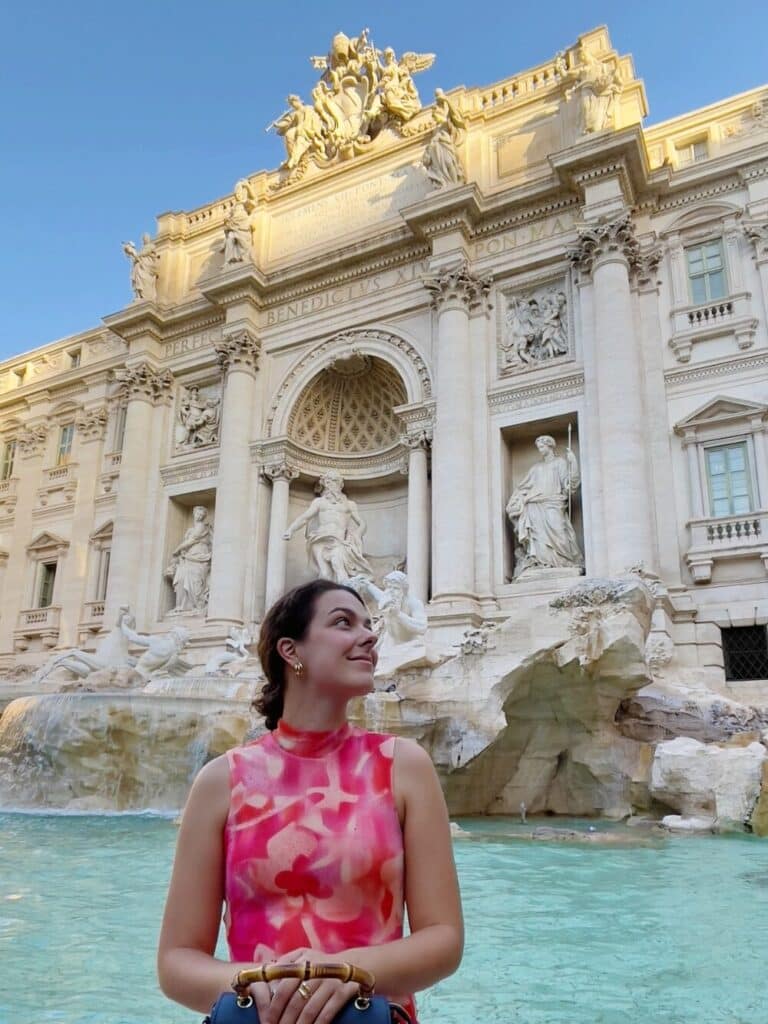
Meet Laura: Your Italy Insider and Local Friend
Hi!🌟 As someone who cares deeply about her home-country, I want to show you what Italy really is like. Spoiler alert: it goes far beyond what social media shows you (cough cough Amalfi lemons).
My goal is to help you feel confident with your upcoming trip and make your planning as easy as possible.
And not only that, through my guides I’ll share with you everything you need to know to travel deeper in Italy – even on limited time.
About Italy
Italy stretches from the stunning, snow-capped Alps in the north to the sun-drenched Mediterranean in the south, with mountains, lakes, volcanic landscapes, islands, and thousands of kilometers of coastline.
Each of Italy’s 20 regions has a personality of its own, and they should all be experienced.
In the north, places like Piedmont and Lombardy are sleek, stylish, and fast-paced. Central regions like Tuscany and Lazio strike the perfect balance between elegance and warmth. And in the south, Sicily and Puglia are all about sun, generosity, and lively local traditions.
From the food on your plate, to how locals greet each other, to the pace of life, there are differences everywhere, and I’m here to help you notice them.
Where Should You Start your Italy Trip?
If it’s your first time visiting Italy, choosing where to start can feel overwhelming. My strongest recommendation is to start with Rome. I mean, what could possibly say “welcome to Italy” better than the country’s capital and most iconic city?
Starting your trip in Rome, which is very tourist-friendly, allows you to get settled into Italy and feel comfortable. It’s also where you’ll find the perfect blend of Italy’s ancient history and modern life – letting you experience both sides of the country right away.
Another great reason to start in Rome is its location. It’s one of the most central points in Italy and home to the country’s busiest international airport. By starting here, you’re perfectly positioned to travel anywhere you desire north, central, or south.
Plan Your Italy Trip (Start Here)
In my own foodie words: “Italy should be savored, not downed” – Laura, January 2026 😂
Planning your Italy trip can feel overwhelming — there’s so much to see, eat, and experience! Here’s how to start:
Step 1: Decide where you want to go
Step 2: Consider how many days you have
Step 3: Create a linear itinerary route.
Step 4: Establish your must-see priorities and balance them with enjoying the destination.
Important Reminder: If you treat a destination like a checklist, you’ll miss out on the true magic. Take your time, and open your eyes.
Once you have a rough idea of where you want to go, the next step is exploring the destinations themselves. Below you’ll find my in-depth guides to some of the Italian cities I know best.👇
Rome

florence
turin
All Italy
Italy Travel Guides by City
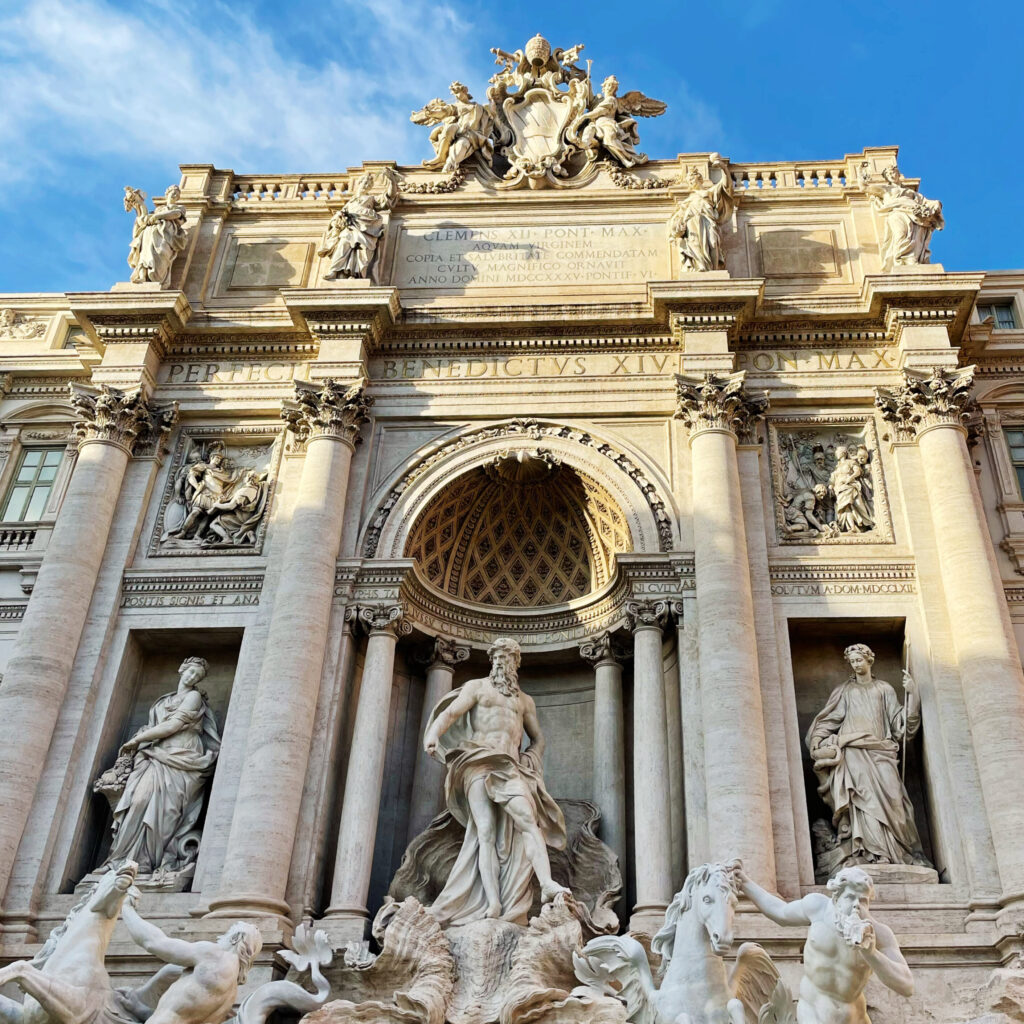
Discover All the Rome Blog Posts
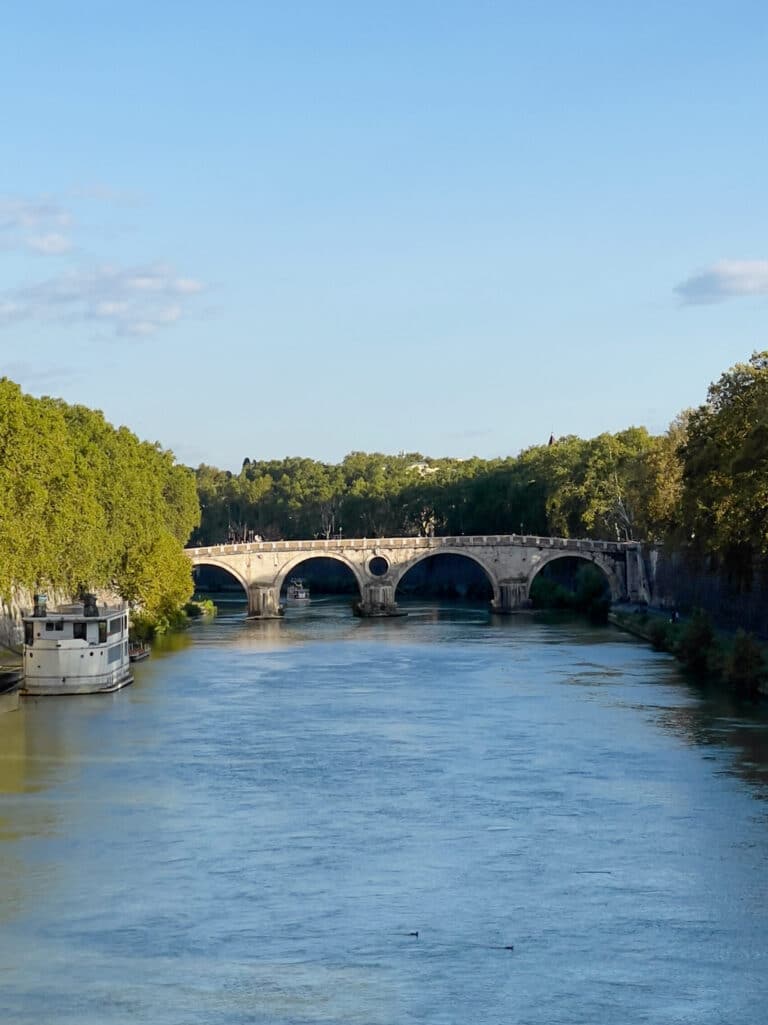
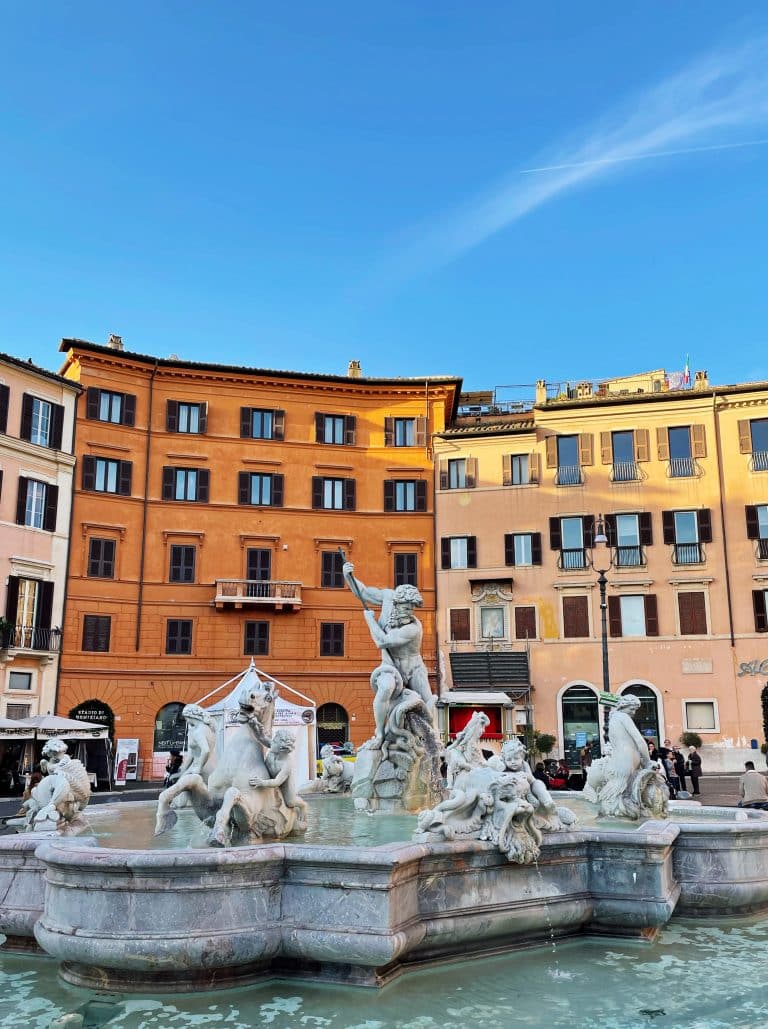
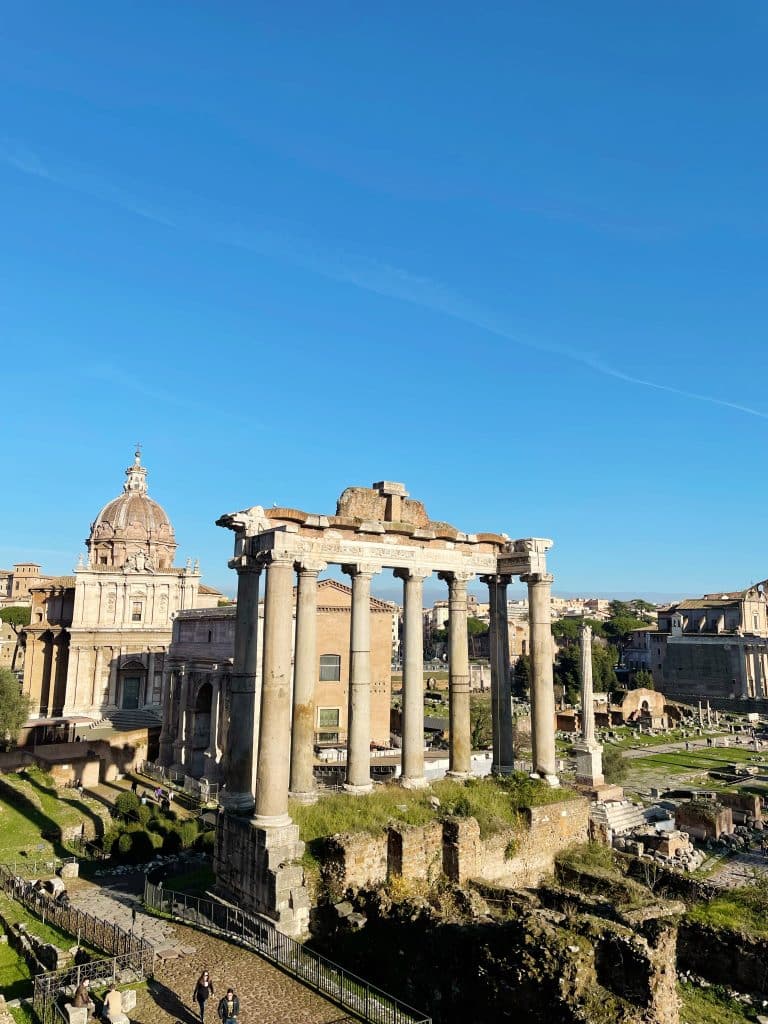
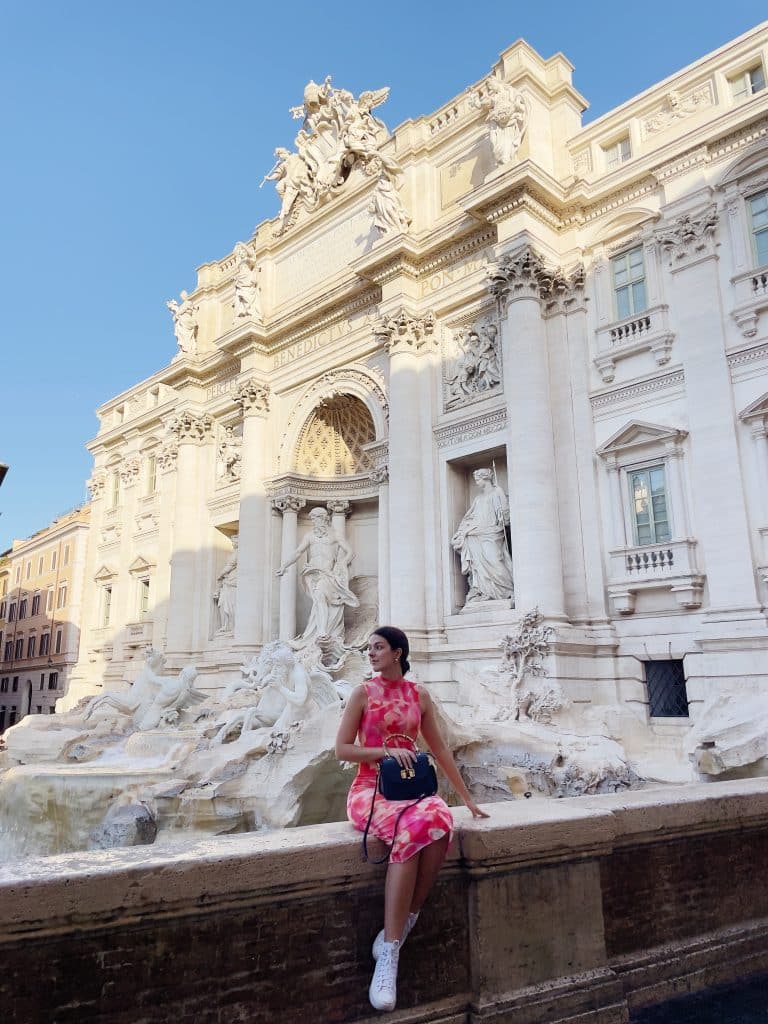
What’s a visit to Italy without Roma, the Eternal City and Italy’s current capital?
This is a place where ancient history, art, and everyday life exist side by side — from world-famous landmarks to quiet neighborhoods full of local character.
With deep family roots here, Rome has always been a second home to me.
These guides are designed for travelers who want a strong first taste of Italy, blending must-see sights with local insights and thoughtful itineraries that go beyond the usual stereotypes.
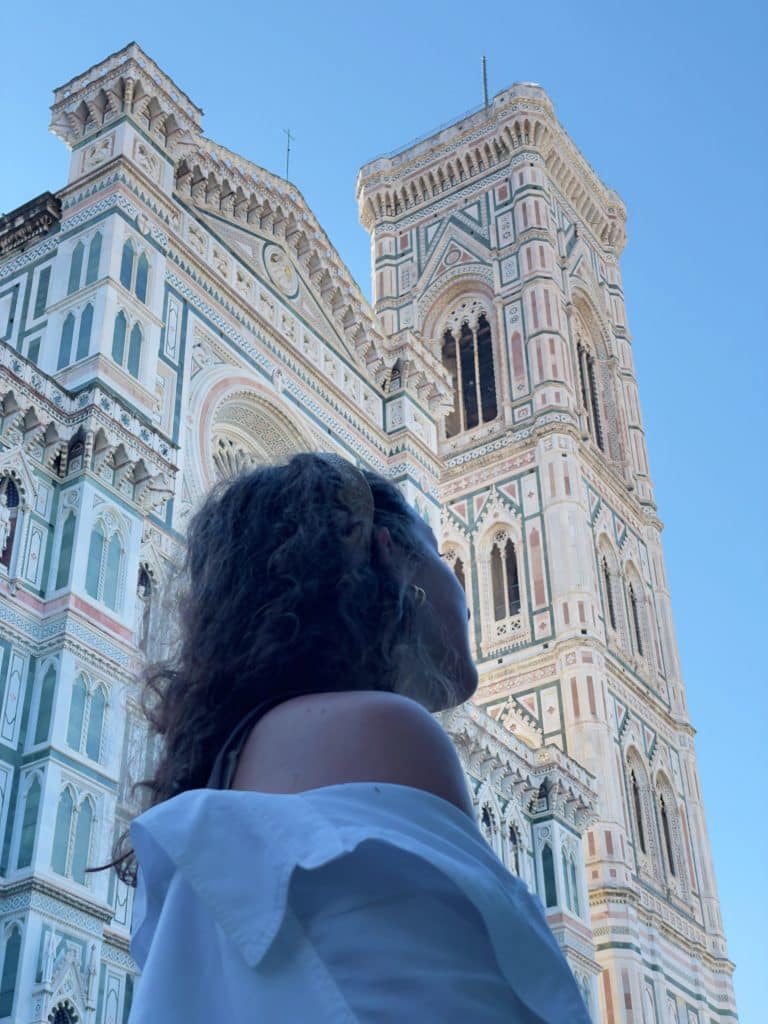
Discover All the Florence Blog Posts
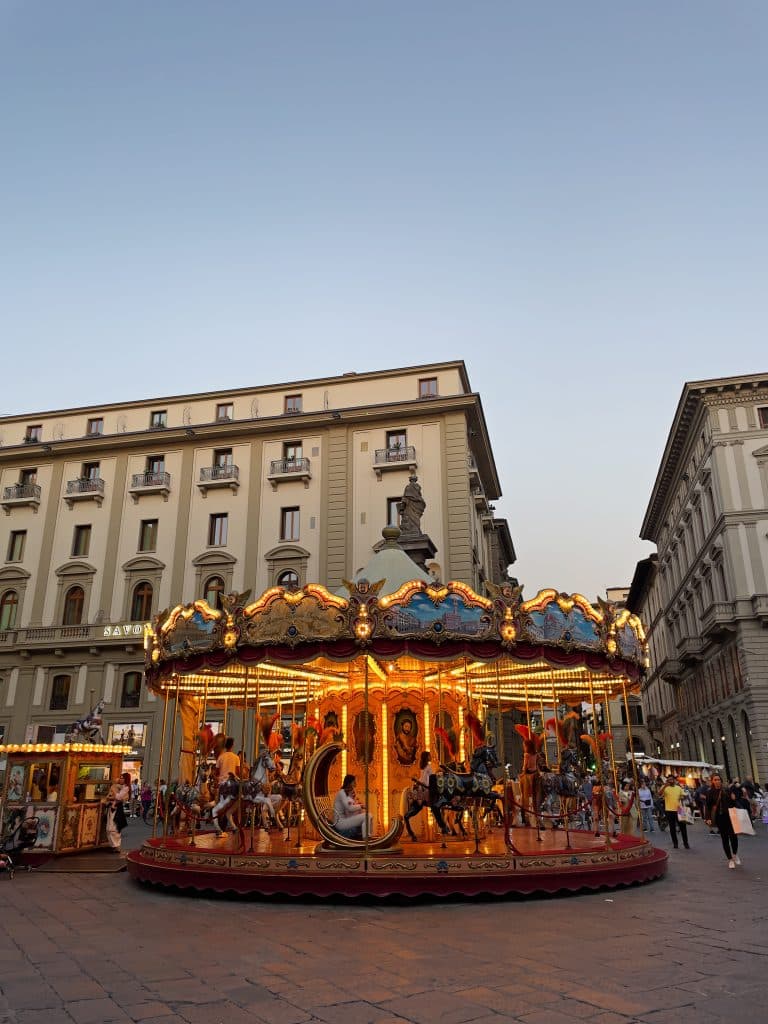
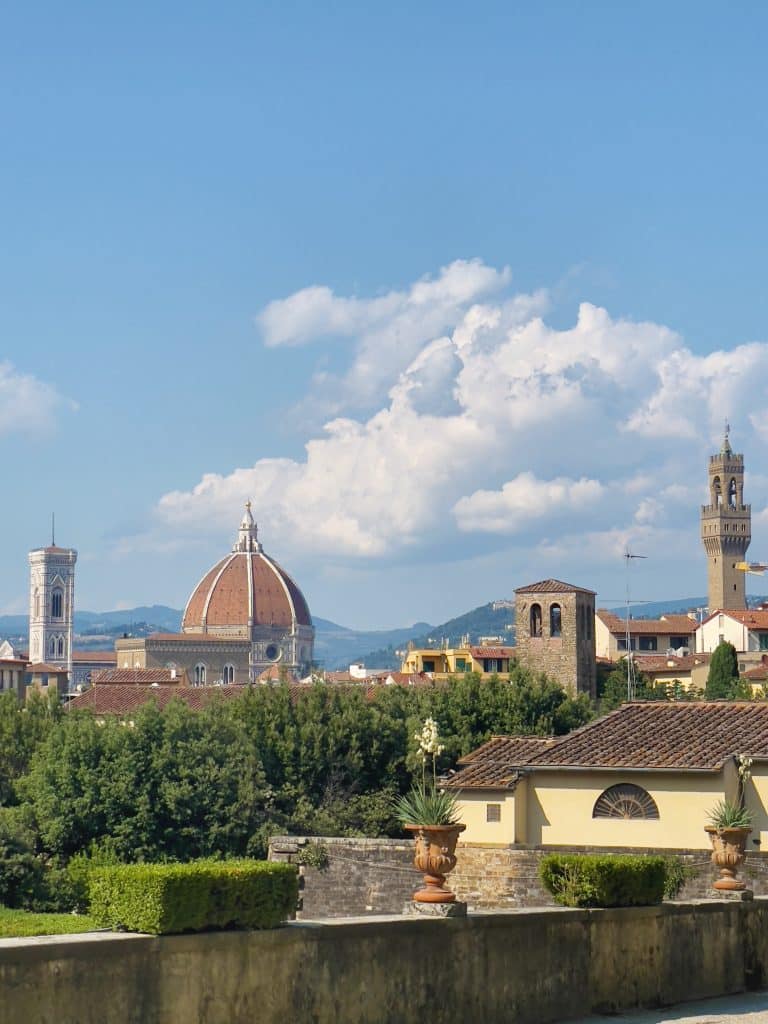
Once Italy’s second capital, Firenze is the birthplace of the Renaissance and one of the most enchanting cities in the country.
On my very first visit, I expected it to be a tourist trap — instead, it turned out to be a total fairytale. It genuinely felt like I was entering a medieval, open-air museum. I completely fell in love with its breathtaking and world-famous architecture, art, culture and timeless beauty.
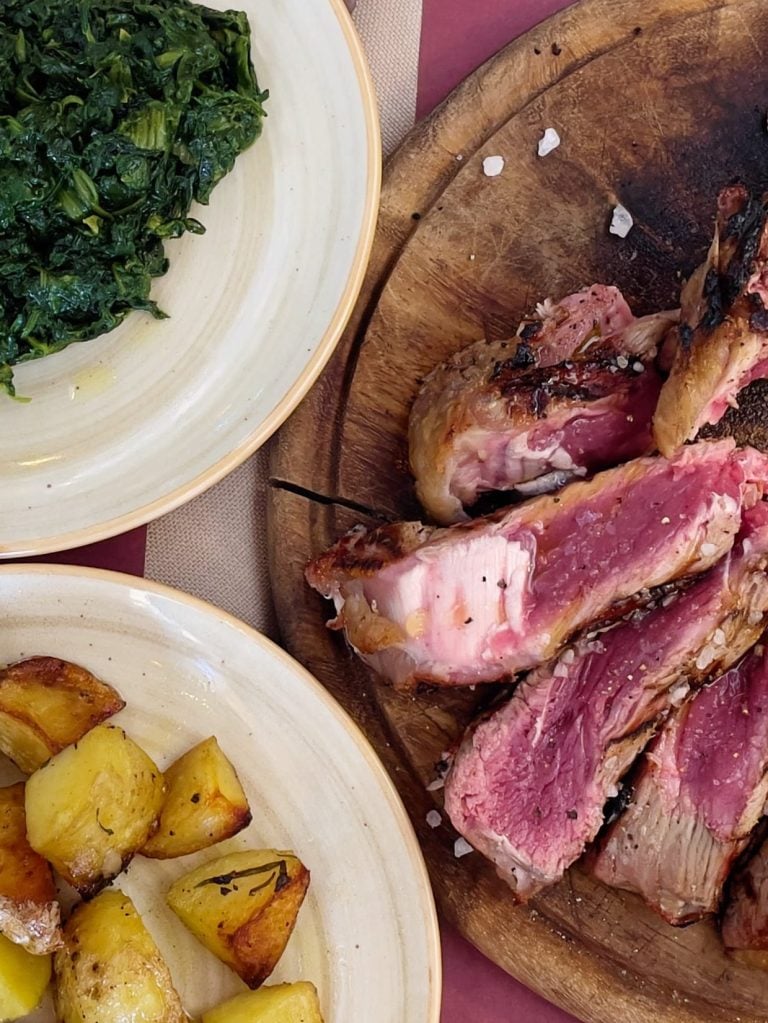
Florence is perfect for travelers who want art, culture, and architecture in a walkable city, whether you’re staying a few days or visiting as a thoughtful day trip from Rome. As a repeat visitor who’s obsessed with this city, these guides will help you navigate Florence smoothly and deeply, sharing everything from walkable itineraries to hidden gems, essential tips, and foods to eat.

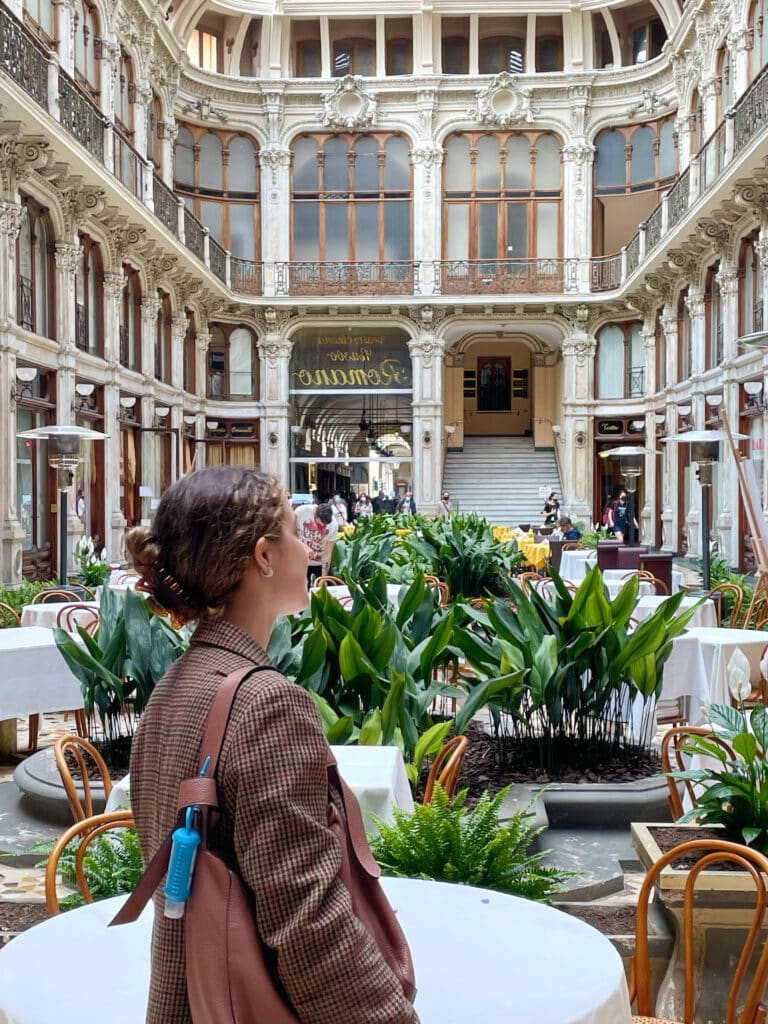
Discover All the Turin Blog Posts
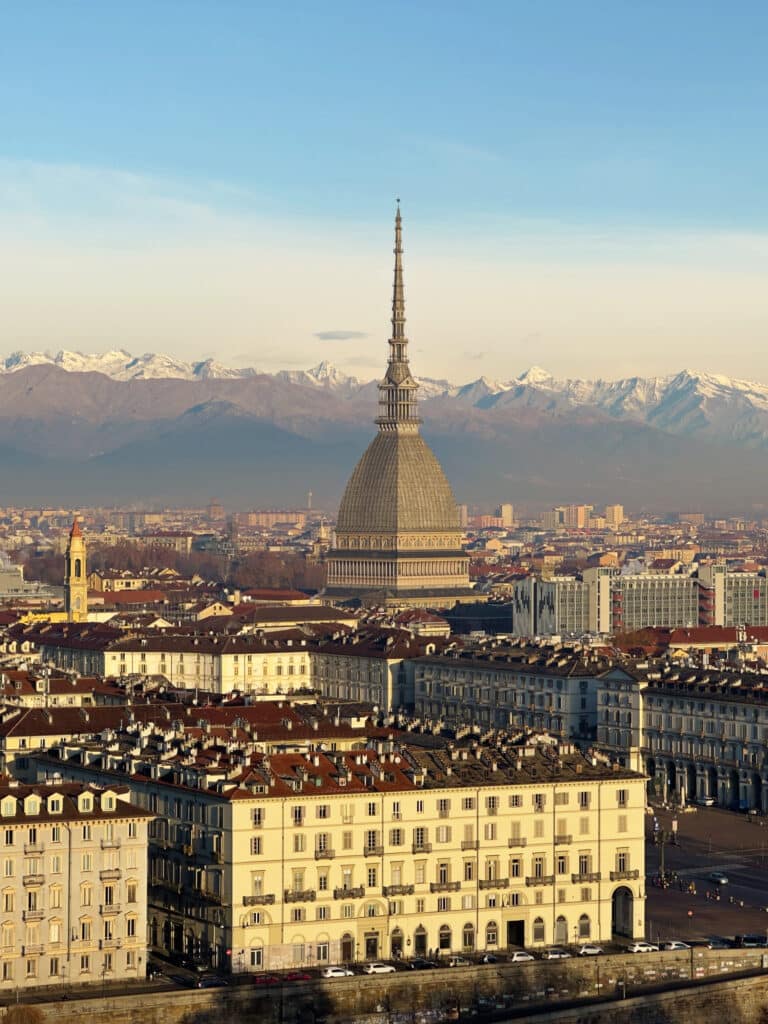
Torino, my hometown and Italy’s first capital, is one of the country’s most elegant and underrated cities.
Once ruled by the Savoy family, it’s home to grand royal palaces, the best café culture, slow food, and world-class museums — including the Egyptian Museum.
If you love history, architecture, and experiencing Italy beyond the usual tourist trail, Torino is a city you’ll quickly fall in love with.
I don’t mean to sound biased, but I am clinically obsessed with my hometown and I think it’s one of the most spectacular Italian cities there is. Through my guides, you’ll quickly learn why!
Get ready to discover the best walkable itineraries, local insights, best things to do and hidden gems, what and where to eat, and beyond.



Best & Worst Time to Visit Italy
Personally speaking, the best time to visit Italy is in October. This is when crowds are lower, the weather is in that perfect transition from hot summer to cool fall, and the sea is still warm enough to swim in.
At the end of the day, the best time to visit Italy depends completely on your personal preferences, your flexibility with travel dates, and where you plan to go.
One thing I’ll say with absolute certainty: if you can, avoid July and August. Every summer of my childhood was spent in Italy, so please trust me — this is when the country turns into worse than a sauna.
The heat is disturbingly humid, and you will feel your sweat leaving your pores (first-hand experience).😅😂
August is even worse than July because it’s month when Italians take 1 to 2 weeks of summer vacation to celebrate Ferragosto, on August 15th. Crowds are higher than usual, prices spike, and many businesses close for the holiday.
Travel Italy with Me (Vlogs & More Local Insights)
Want to see my written guides in action, and get a good feel of what Italy is like? Watch my vlogs and join me virtually on my trips.
Subscribe so you don’t miss any latest Italy vlogs!

Food in Italy | Foodie Guides + Gluten Free Italy


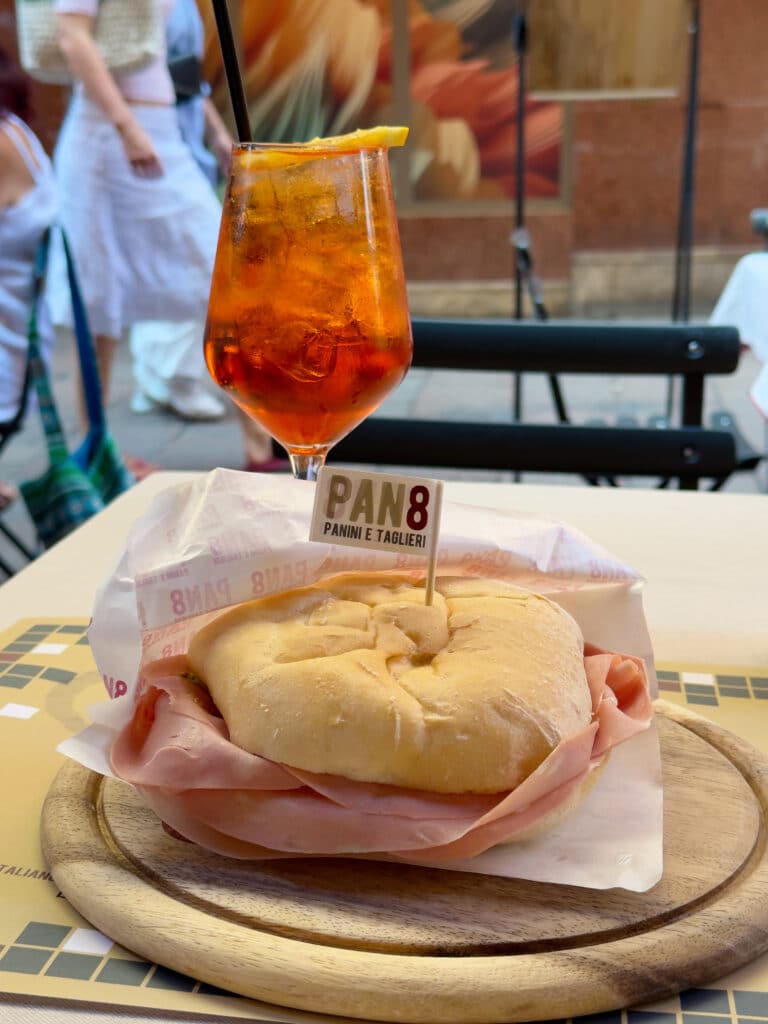
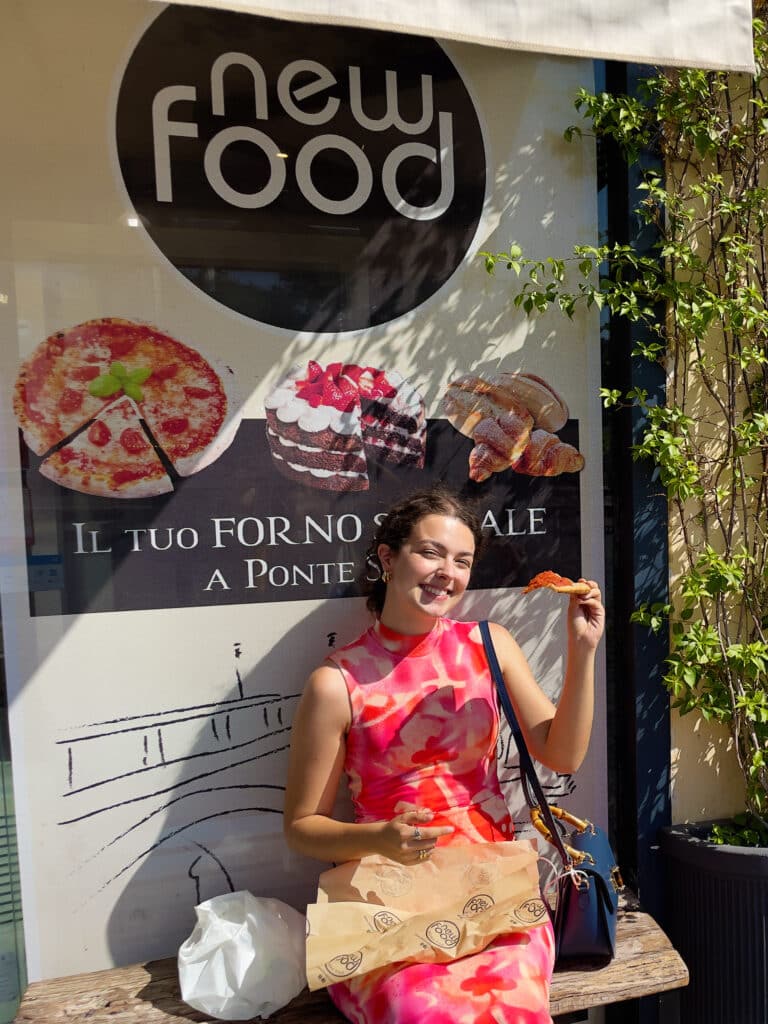


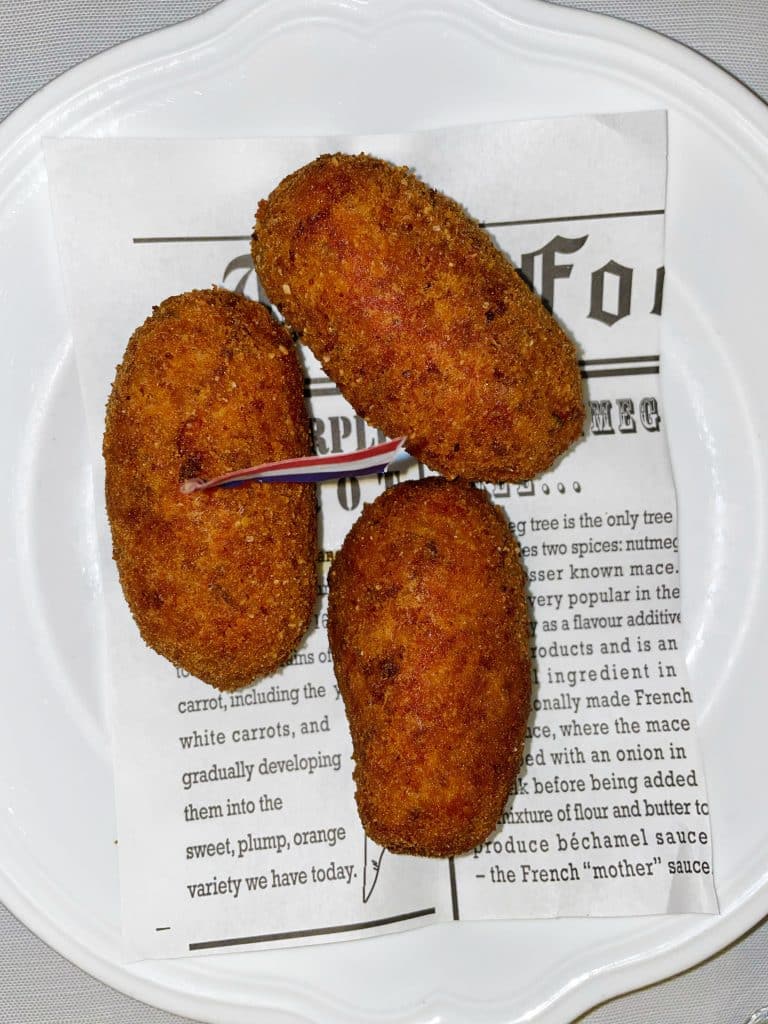


I don’t think there’s a bigger religion in Italy than food. Sure, Catholicism exists — but food is something all Italians believe in and practice.
And the Vatican of Italian food? Nonna’s and Mamma’s kitchen.
If it wasn’t already clear, food in Italy is more than just something you eat. It’s culture, history, and daily life, deeply woven into every region and tradition.
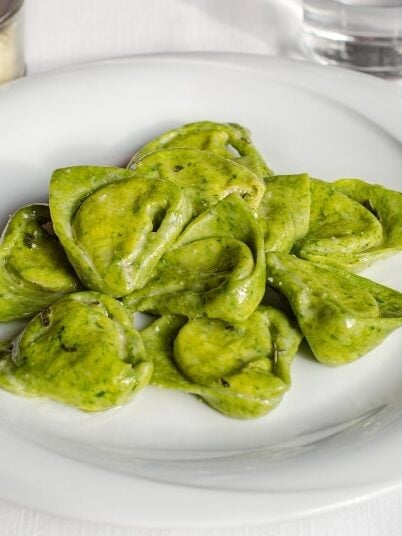
In these food guides, I share what to eat across Italy, from iconic regional dishes to seasonal local specialties, all through the lens of a foodie who grew up with Italian food as part of everyday life.
Whether you’re wondering what to eat in Rome, Florence, or beyond, these guides will help you experience Italy the way it’s meant to be “tasted”.
Gluten Free Italy
If you’re celiac, you’re in the right place. As a foodie and a celiac Italian (diagnosed later in life) I know exactly what traditional Italian dishes should taste like, and I only recommend gluten free places that truly deliver.
Italy is (ironically) one of the best countries in the world to travel gluten free, and these guides show you exactly where to safely enjoy, traditional and local dishes.
Explore my Gluten Free Italy Guides:👇
Essential Italy Travel Tips from an Italian
- Know Italian coffee basics
- Learn some key words and sentences in Italian
- Book well in advance! This gives you more flexibility and control over your itinerary.
- Use OMIO to see and compare all transportation options available, from trains to flights, in one place.
- Check distances on Google Maps before adding destinations to your itinerary.
- Carry a reusable water bottle! In Italy we have free public drinking fountains (delicious water) so enjoy it to the fullest.
Want all of this + extra tips and prep e-checklist in one easy, save-for-later place?👇
Free Italy e-Checklist
This digital & printable Italy travel checklist includes seasonal packing guidance, what to prepare before your trip, local tips, must-know Italian phrases, and practical travel advice to help you plan with confidence.
Don’t Make these Common Italy Travel Mistakes
- Forgetting to validate physical train tickets, which can result in on-the-spot fines
- Rushing from one “must-see” to the next and missing out on the real magic
- Treating Italy like one destination when each region is completely different
- Asking for stereotypical dishes everywhere instead of trying local specialties
- Using AI tools as a trustworthy, “travel agent” — they’re helpful for inspiration, but they miss local insights and provide outdated information
Want my full Italy trip planning checklist — including packing tips, phrases, and common travel mistakes Italians wish tourists knew? Download my free Italy Travel eChecklist and keep everything in one easy, save-for-later place while planning your trip!
Book Your Italy Trip





Looking for an affordable travel insurance? I use SafetyWing!