Which is better, Seville or Granada? A Local’s Guide to Understanding
Trying to decide between Seville and Granada? You’re in the right place. As a Granada local who frequently visits Seville, I know both cities very well – their similarities, differences, and who each city is perfect for. They are two incredible cities, both worth visiting, and despite their shared history and culture, they offer very different experiences.
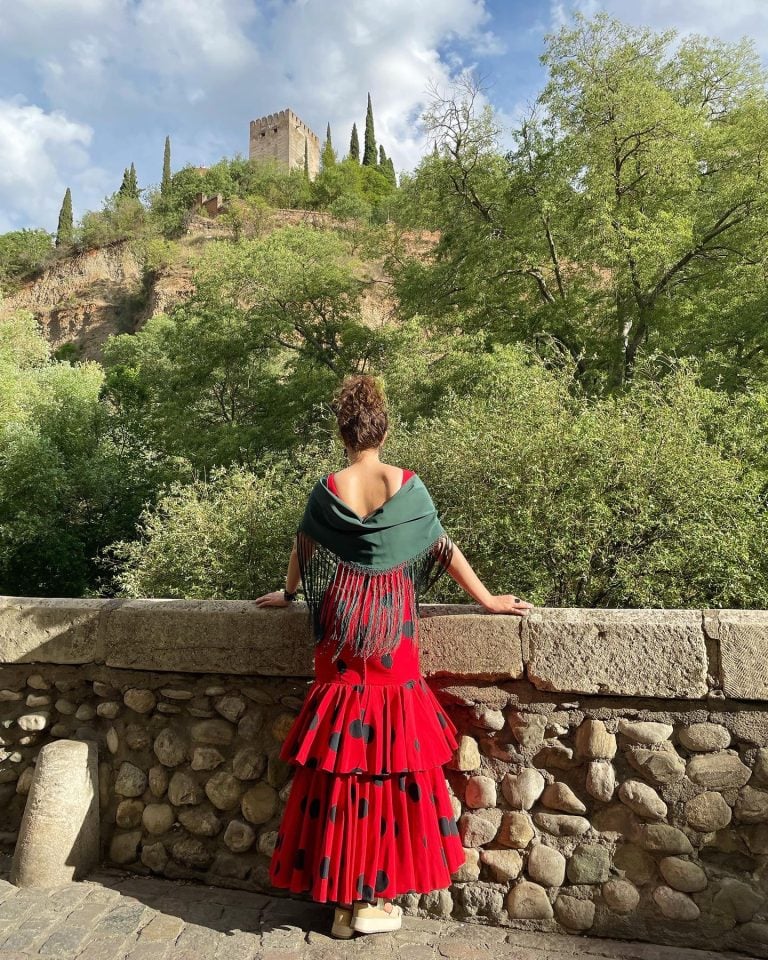
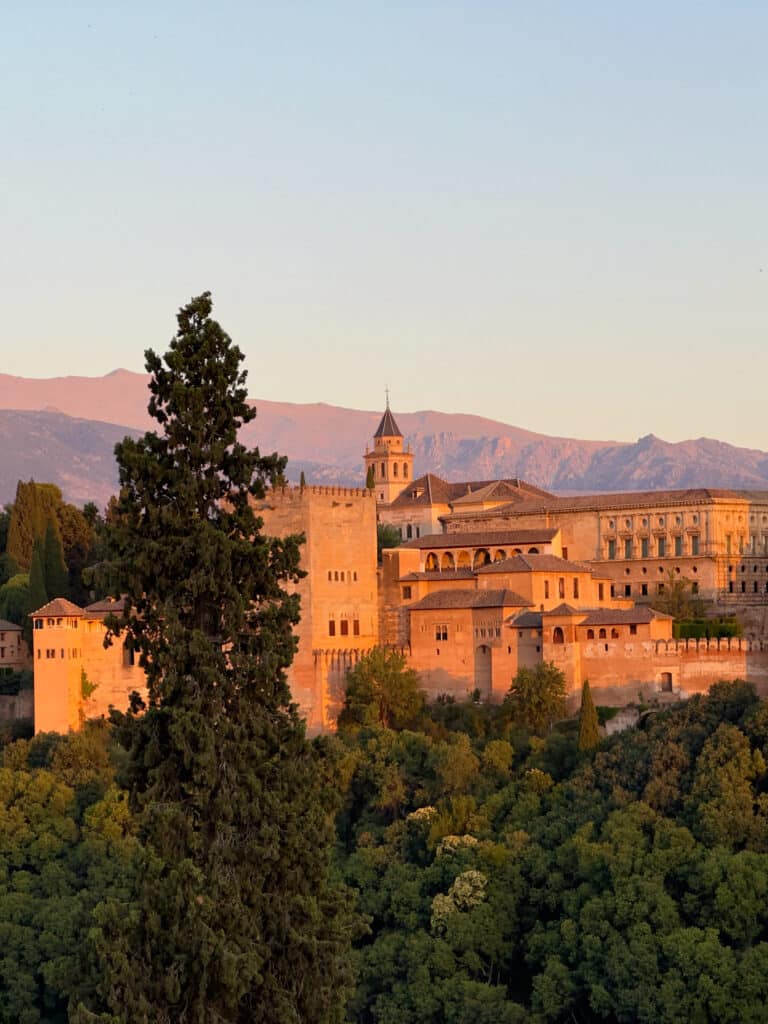
Granada is a small city where Moorish history and influence continue to linger all around. Home to the Alhambra, the Albaicín neighborhood, and medieval streets – Granada offers an intimate atmosphere that encourages you to slow down and stay present.
Seville, on the other hand, is a larger city and the vibrant capital of Andalusia. It’s a livelier city that offers more major attractions, neighborhoods and places to explore, along with the energy and variety you would expect from a larger city.
Having lived in Granada for the past three years and returned to Seville many times, I genuinely love both, but for different reasons. In this guide, I’ll compare what it’s actually like to visit each city, as well as their differences and similarities, so you can decide which one better fits your trip – or whether you should make time for both.
Without further ado, here’s everything you need to decide between Granada vs Seville, Spain! 👇💃
Disclaimer: This article contains affiliate links. If you make a purchase through one of these links, I may earn a small commission at no additional cost to you. My recommendations remain based on my personal experience and honest assessment. 💖
What You Need to Know About Sevilla and Granada

Don’t have time to read yet? Grab my Quick Recommendations! 👇
🔥 Book ASAP: Alhambra and/or Real Alcazar
✅ Grab my FREE Andalusia Essentials eChecklist!
1. Quick Comparison: Granada vs Seville at a Glance
Choose Granada if you want a smaller, more affordable city with the Alhambra, free tapas, a slower atmosphere, and a stronger local culture.
Choose Seville if you want more attractions, neighborhoods to explore, warmer weather, and cultural experiences over a longer stay.
Granada
- Pros: Compact and walkable, generally more affordable, free tapas, cooler summer nights, and manageable in two full days.
- Cons: Hilly in several important neighborhoods, colder in winter, and Alhambra must be planned for a month, or more, in advance.
Seville
Cons: Generally more expensive, longer distances between some sights, busier major attractions, and extremely hot summers.
Pros: More attractions and neighborhoods, a larger food scene, flatter streets, and warmer winters.
2. Which City is Easier to Reach, Seville or Granada?
Both Seville and Granada are connected to Spain’s high-speed rail network, Renfe, including direct services from Madrid. Seville generally has the advantage as trains tend to be more frequent and the journey is shorter.
Direct high-speed trains from Madrid to Seville typically take around 2.5 to 3 hours, while Madrid to Granada usually takes approximately 3 hours or more.
Both cities can also be reached directly by train from Barcelona, but these journeys are considerably longer. If you’re visiting from Barcelona, I would recommend flying into either city.
Seville also has the larger and better-connected airport. Granada’s airport is small, with a more limited selection of routes, so many international travelers fly into Málaga and continue to Granada by bus, train, or car.
My verdict: Seville is generally easier to reach from elsewhere in Spain and Europe. Granada remains accessible by high-speed train, but travelers arriving internationally may need an additional connection.
3. Culture and Atmosphere
Granada and Seville both offer strong introductions to Andalusian culture, but the experience feels noticeably different in each city.
Granada: Free Tapas & Student Life
While Granada has been becoming more touristy over the recent years, it continues to stay grounded in its beautiful culture and traditions.
Home to one of Spain’s oldest universities, Granada is a famous university city for both Spanish students and study abroad. Because of this, and the city’s culture, Granada feels youthful and laid-back.
The city’s student population gives it a lively, casual vibe, especially during the school year. During the summer, due to the heat and students being on vacation, Granada becomes a very quiet and peaceful city,
Granada is famous for its free tapas tradition, where you receive a free tapa (small dish) with every drink you order. Because of this, you’ll see locals and tourists alike are often hanging out in squares and outdoor patios, or bars, enjoying time with their friends and family while eating tapas.
Seville: Flamenco Heart & Classic Andalusia
Not to sound exaggerated, but Seville is the epitome of Andalusia. It’s the birthplace of flamenco, endless monuments and culturally-important sites to visit, and the sunniest weather.
Being the capital of Andalusia and the popular city it is, it will feel more touristy and more busy, but never at the level where it wouldn’t be worth visiting.
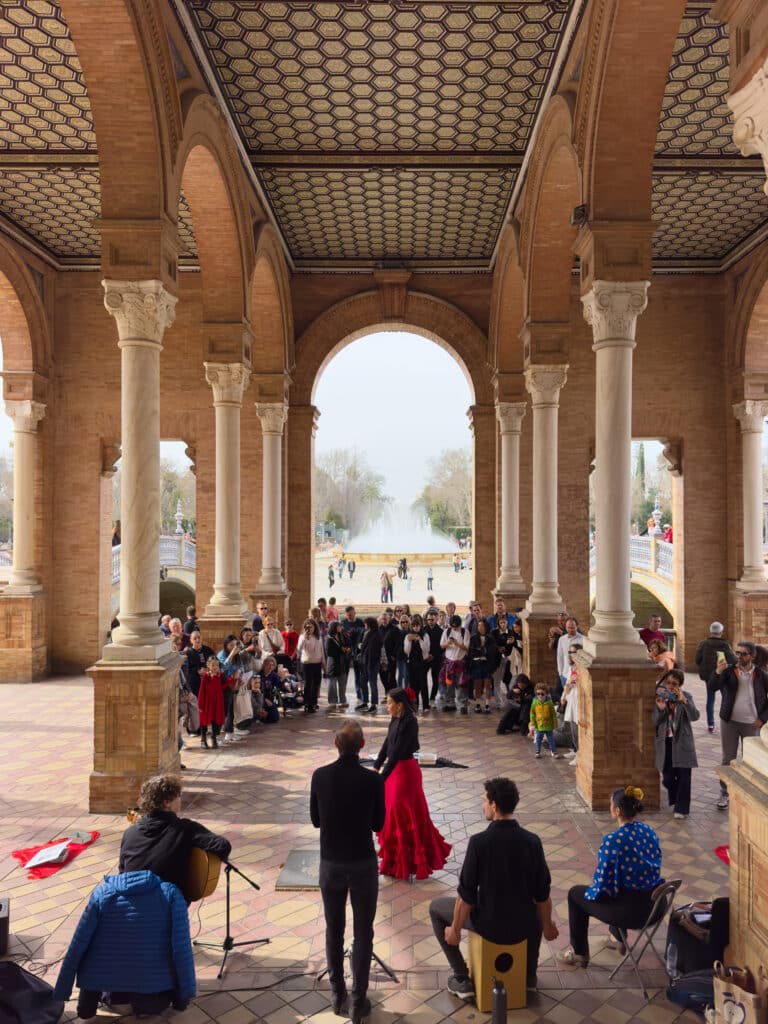
The most magical place to be, at least in my opinion, is Plaza de Espana and walking along the Rio Guadalquivir. This is where you get to do wholesome people watching, admire locals and tourists enjoying their strolls, there’s street musicians and flamenco artists performing, and so forth.
Here you can certainly enjoy tapas, but you usually have to pay for them.
Where’s the Best Flamenco: Granada or Seville?

Flamenco developed across Andalusia through the contributions of Roma, Andalusian, and other cultural communities, so no single city can claim an official title as the birthplace of Flamenco. Seville is one of flamenco’s most influential centers, while Granada is the home of the zambra style.
Granada is particularly famous for its version of flamenco, Zambra Gitana, and its birthplace, the Caves of Sacromonte. Sacromonte has a long-standing Roma community and is known for its cave homes and intimate zambra performances. This is where you’ll find the best flamenco shows in Granada!
If you’re torn, why not do both? You may encounter street performers around Plaza de España, but performances are not scheduled or guaranteed. For a complete flamenco experience, make sure to book a show in either city.
If you want to see a show performed by some of Spain’s greatest flamenco dancers, this show in Seville is a must. Book your tickets before they sell out!
My verdict: Choose Seville for a wider selection of formal flamenco venues and Granada for the distinctive setting and tradition of a Sacromonte zambra. Neither experience is inherently “better”; they offer different styles and atmospheres.
💃 Discover all the BEST flamenco Shows in Granada
4. Things to Do in Granada vs Seville
When you think of your future trip to Andalusia, what are the experiences and the aesthetics you are dreaming of? Here’s a breakdown of what you can expect in each city.
Granada: History & Alhambra Views

Granada was the capital of the last Muslim-ruled kingdom on the Iberian Peninsula, which surrendered to the Catholic Monarchs in 1492. That history remains particularly visible in the Alhambra, Albaicín, and the city’s later Christian monuments.
Granada is the stronger choice if the Alhambra is your main priority or if you prefer exploring a smaller number of significant places and attractions at a slower pace.
Beyond its monuments, much of Granada’s beauty comes from walking its historic neighborhoods, stopping for tapas, and seeing the Alhambra from different viewpoints.
🌟 Discover the Best Things to Do in Granada | Local’s Guide
Seville: Big City Energy Meets Tradition
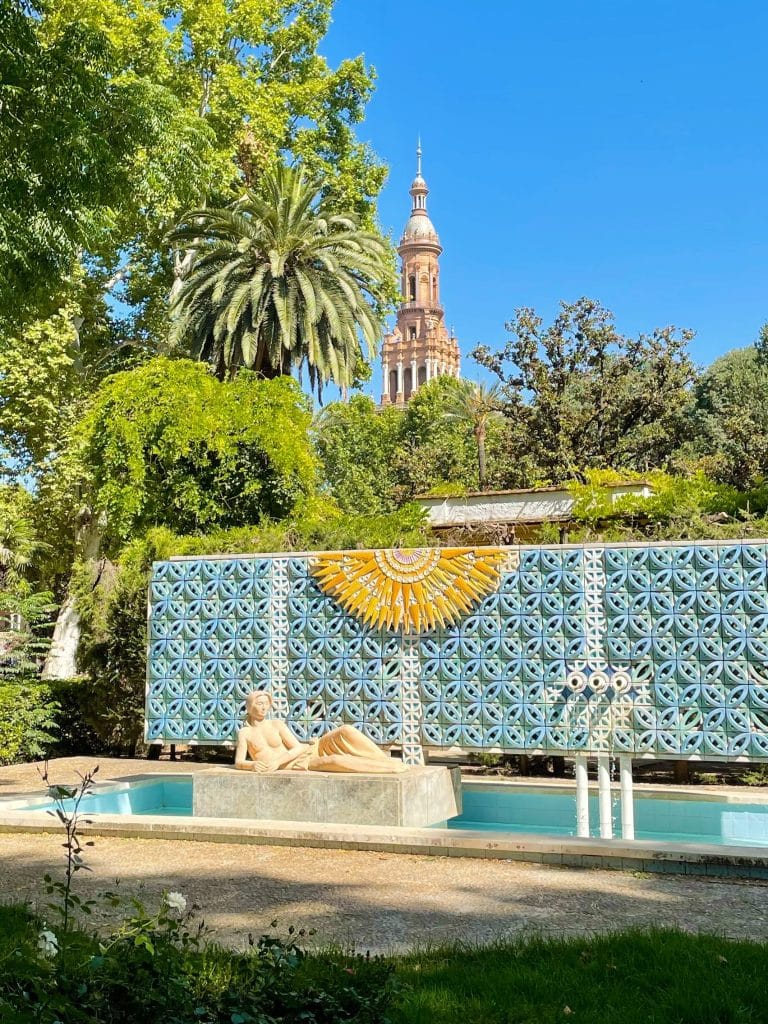
Out of all the cities I’ve visited, there aren’t many that are more radiant and lively than Seville.
As the capital of Andalusia and one of the largest cities of Spain, Seville is a must-visit if you’re planning a larger stay and want to soak in the ultimate Andalusian vibes.
Seville is the stronger choice if you want a fuller sightseeing itinerary. It is home to many major attractions including the Real Alcázar, Seville Cathedral and the Giralda, Plaza de España, and neighborhoods such as Santa Cruz and Triana.
Central Seville is relatively flat, but its sights cover a larger area than Granada’s. Group attractions by neighborhood instead of repeatedly crossing the historic center.
🌟 Discover the 16 Best Things to Do in Sevilla, Spain
5. Best Time to Visit (Seasonal Breakdown)
Visiting in Winter (Dec–Feb)
Granada and Seville offer noticeably different winter experiences. Granada’s elevation brings colder mornings and nights, while Seville generally has milder winter temperatures that sometimes feel like an early spring.
Choose Granada if you want to combine sightseeing with skiing in the Sierra Nevada and are prepared for cold evenings. Choose Seville if winter warmth is more important, although rain and cool spells are still possible.
February is my personal favorite time to visit Seville because the temperatures are more comfortable for walking than in summer and crowds are generally lower than during the major spring festivals.
Visiting in Spring (Mar–May)
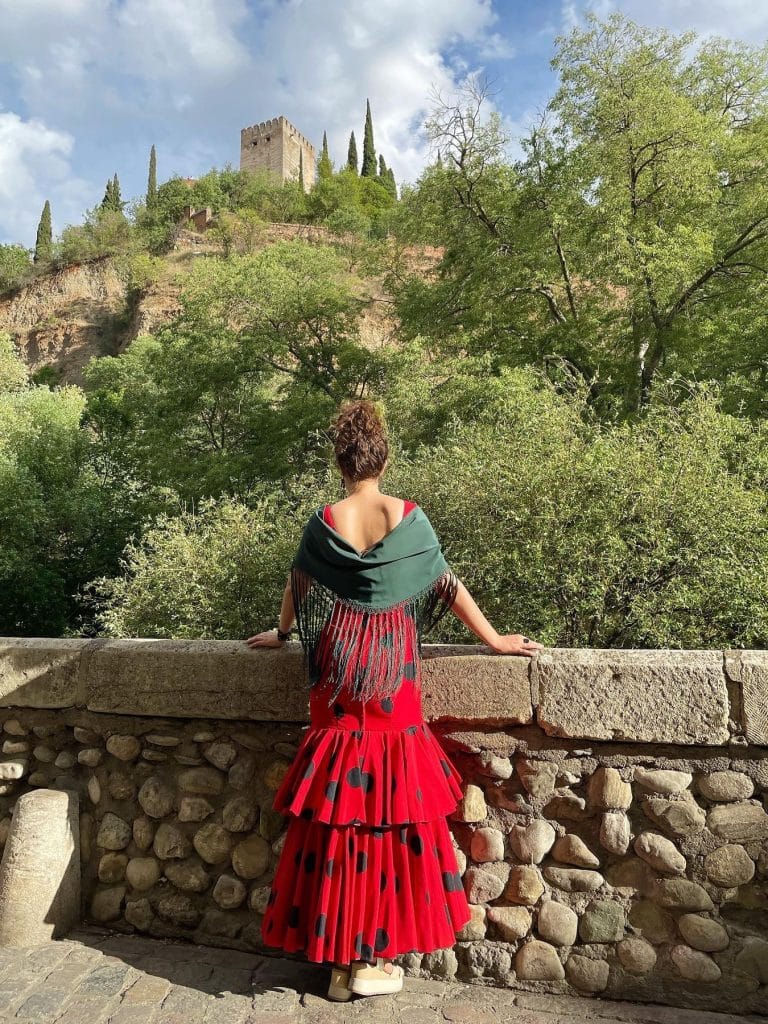
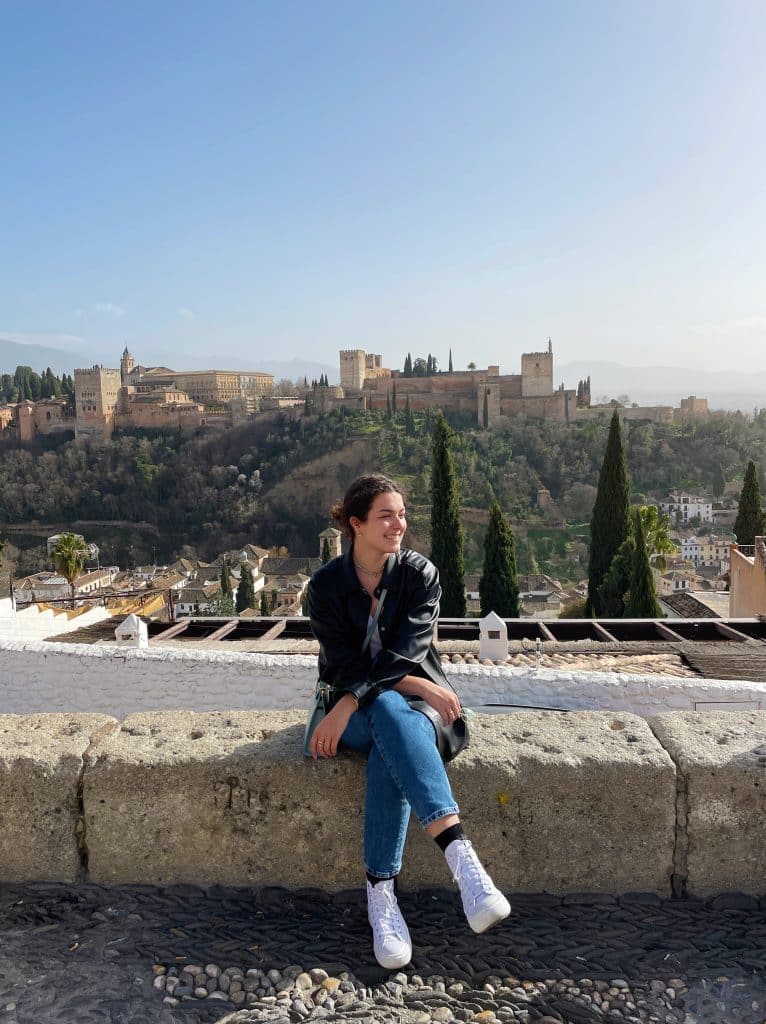
March and May can be tricky months in Andalusia. There’s a local saying: ‘If it Mays in March, it Marches in May’ – meaning if March is unusually warm, May will likely bring the rain.
The spring weather can be changeable in both cities, but the larger planning issue is the festival calendar.
April can offer excellent sightseeing weather, but it is not automatically the easiest month to visit due to popular festivities: Semana Santa and Feria de Abril.
Semana Santa, “Holy Week”, is a week-long celebration that ends on Easter Sunday. This is one of the most important holidays in Spain, and both Granada and Seville are two very popular destinations at this time of the year for their famous processions.
Feria de Abril on the other hand is Seville’s most famous festival, which similarly to Holy Week, can bring substantial crowds, limited accommodation, and sharply higher prices.
I recommend visiting during these events if experiencing them is a priority; otherwise, choose dates outside the festival periods for less crowds and better prices.
Local tip: Spring can be very difficult for travelers sensitive to olive and grass pollen (like me). Check the local pollen forecast before your trip and consider autumn if seasonal allergies significantly affect you.
Visiting in Summer (Jun–Aug)

As someone who’s been living in Granada for the past few years, I have one crucial tip: don’t visit in July and August – especially August.
While Granada is slightly cooler than Seville due to its elevation, both cities experience intense heat in the summer. In Granada, temperatures often soar above 35°C (95°F), and locals generally avoid going out during the day, emerging only around sunset. Siesta culture is in full force for a reason!
Seville, being even hotter and more humid, is practically deserted in August – many locals leave the city entirely and head to the coast. Daily highs often reach 38 – 40°C (100 – 104°F), making sightseeing downright exhausting.
If summer is your only option, here’s what I recommend:
- If you want to slightly escape the heat, Granada is the best choice. Plus, thanks to its central location, you can pair this city visit with day trips to the mountains or beaches.
- Sightsee early in the morning and late in the evening, and build in time for long midday breaks.
- Stay in accommodations with strong A/C and consider splurging on a hotel pool if your budget allows.
Local tip: Many monuments and cultural sites offer night visits in summer (like the Alhambra), so take advantage!
Visiting in Fall (Sep–Nov)
Fall is arguably the best season to visit both Granada and Seville, because temperatures become more comfortable for going out and walking around the cities, while daylight remains relatively generous.
What I love about Granada is that it becomes crisp and cozy in the fall. September still feels like summer during the day, but October and November bring cooler breezes and dreamy sunsets over the Alhambra.
Seville generally stays warmer later into the season, making it the better choice if sunshine and terrace weather are priorities. September can still be quite hot in both cities, so late October and November may suit heat-sensitive travelers better.
6. How Many Days Do You Need?
Short Trip (1–2 Days)
While most travelers don’t head to Spain just for a weekend, Granada is the perfect 2-day destination
Why? Because it’s compact, easy to get around, and packed with incredible sights – like the Alhambra, the Albaicín, and those dreamy views of the Sierra Nevada. You can see a lot without feeling rushed.
If you only have one day, no worries! While it’s not enough to experience the city fully, one day in Granada is enough for a focused introduction. Just make sure that if the Alhambra is included, you build the entire itinerary around your reserved entry time.
With that said, if you’re looking for a day trip from a bigger city in Spain (and aren’t able to stay longer), Granada also makes for a great day trip destination. This city is well-connected via buses and high-speed trains.
Longer Stay (3+ Days)
Seville, being Spain’s fourth-largest city, is ideal for a longer stay.
Being the large, spread out city it is, I strongly recommend spending at least 3 full days in Seville, 4 if you’re hoping to take a day trip to a nearby city or town. With three days, you’ll have enough time to visit Seville’s main attractions, some hidden gems, and have the time to truly soak it all in – rather than rushing from one place to the next.
Two days in Seville can work for travelers comfortable with a full sightseeing schedule. If you prefer slower meals, neighborhood exploration, or a day trip, plan four or more nights.
7. Who Are You Traveling With?
Honestly, both Granada and Seville are wonderful for all types of travelers – whether you’re going solo, with a partner, with friends, or on a family trip. It really depends on the kind of Andalusian experience you’re dreaming of.
That said, I do think each city naturally suits certain types of travelers just a bit more.
For solo travelers: I give Granada a slight advantage because it is compact, generally affordable, and has a large student and hostel community. Its scale can make a first solo trip feel manageable. Normal city precautions still apply, especially around crowded tourist areas.
For families: Seville’s flatter terrain may be easier with a stroller than Granada’s steep historic neighborhoods. It also offers more attractions and parks to fill a longer stay. The trade-off is that distances can be greater, and summer heat makes sightseeing with children considerably harder.
For couples: Choose Granada for a smaller-scale trip built around viewpoints, historic neighborhoods, and relaxed tapas evenings. Choose Seville for a livelier itinerary with more restaurants, performances, and major attractions. While this can vary by couple, I do think Granada offers a more intimate and romantic experience, while Seville offers more adventure.
8. Which is Better for Gluten-Free Travelers?
Both Granada and Seville are great destinations for gluten-free travelers, but the experience differs.
Based on living in Granada and repeatedly visiting Seville, I personally prefer Granada as a celiac traveler because with the city being compact, all the best gluten-free restaurants are easy to reach. Most restaurants I’ve walked into that weren’t “gluten free” were always very honest about whether they could accommodate my celiac self.
Granada’s free-tapas culture requires extra communication because of shared preparation and cross-contact, but overall I’ve always felt safe because of how seriously allergens are taken here.
Seville has many gluten-free restaurants, but they are harder to reach due to distance. I personally dislike how I need to plan more cautiously about where I’ll eat, and that I need to schedule my day around my meals. With Granada, I can make my mind up at the last minute and go wherever I’d like.
Regardless of the city, explain that you have celiac disease rather than simply asking for a gluten-free dish, and confirm how food is prepared.
9. Seville or Granada: My Final Verdict
Choose Granada if you have two days, want to prioritize the Alhambra, prefer a smaller city, or are traveling on a tighter budget.
Choose Seville if you have at least three days, want more attractions and neighborhoods, prefer a livelier city, or are visiting during winter and want milder temperatures.
Personally, I would include both when time allows – but not at the expense of rushing through them. Three nights in Seville and two nights in Granada is a sensible starting point for a first trip.
| Feature | Granada | Seville |
|---|---|---|
| Size | Smaller & compact | Large and sprawling |
| Cost | More budget-friendly | Slightly more expensive |
| Weather | Cooler, especially in winter | Warmer and sunnier year-round |
| Tapas | Free with drink | Paid, but more gourmet |
| Famous for | Alhambra & Moorish charm | Flamenco & Andalusian culture |
| Best For | Solo Travelers + Couples | Families + Couples |
Grab my e-Checklist to make sure you’re properly prepared for Andalusia!👇
📌 Pin it for your Future Spain Travels!

Still deciding? Leave a comment with your travel dates, trip length, and priorities, and I’ll tell you which city I would choose.
You can also use my 7 days in Andalusia itinerary to see how Seville and Granada fit into the same trip.
Follow me on YouTube for my future Granada videos and other worldwide adventures, or on Instagram! 🗺️